
East Africa's Preparations for AFCON 2027: A Historic Regional Transformation
East Africa's historic 2027 AFCON preparations advance rapidly. Kenya and Tanzania's main stadiums near completion, while Uganda's Hoima City Stadium is fully operational, setting the stage for regional economic growth
By
The Editorial Desk
Section
Football
Status
Published article
AFCON CHAN Local Organising Committee
As the countdown to the 2027 Africa Cup of Nations (AFCON) intensifies, Kenya, Uganda, and Tanzania are engaged in an unprecedented collaborative effort to deliver the first-ever three-nation hosted tournament. This milestone event is being framed not just as a sporting contest, but as a catalyst for long-term economic, infrastructural, and regional integration.
Strategic Oversight and Milestones
To ensure tournament readiness, the host nations and the Confederation of African Football (CAF) have established the PAMOJA Oversight Committee. This body provides the strategic direction necessary to coordinate massive cross-border preparations. The three nations have committed to a rigorous roadmap with key milestones set for completion by August 2026. This roadmap includes the structural completion of primary venues and the provision of at least four CAF-standard training pitches per host city. Concurrently, plans for improved road networks and dedicated airport shuttle lanes are being accelerated to prevent bottlenecks, while a unified tournament visa is under development to facilitate seamless fan movement.
National Infrastructure Progress
As the East African "Pamoja" hosts prepare for the tournament, infrastructure development is entering its final stages across the region, with each nation making significant strides toward readiness.
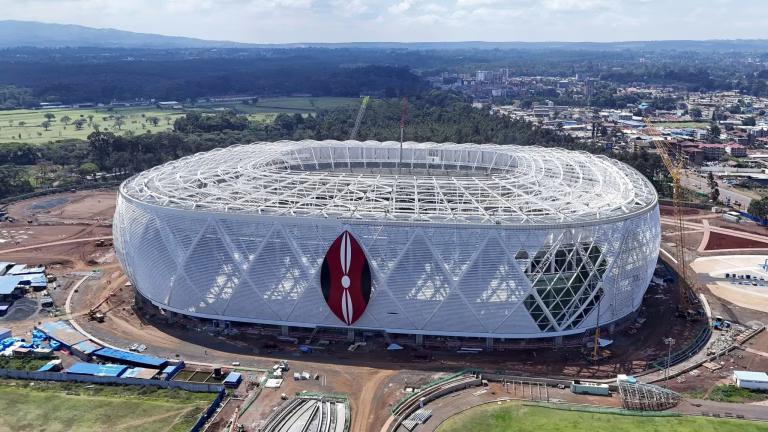
In Kenya, the flagship 60,000-seater Talanta Sports City (pictured above) is in its final construction phase, with progress now surpassing 80%. Major structural works, including the roof canopy and the three-tier bowl, are largely complete. Current efforts are focused on interior installations and the playing surface, where the recent germination of Bermuda grass has marked a significant milestone toward achieving CAF and FIFA certification.
In Tanzania, the 30,000-seat Samia Suluhu Stadium (pictured below) located in Arusha is nearing completion, with progress estimated between 70% and 90%. The stadium’s distinctive V-shaped design, inspired by the Tanzanite gemstone, is structurally finished, including the complex main canopy roof. Contractors are currently finalizing internal finishes, including electrical and mechanical systems and ICT integration, with the facility firmly on track for delivery by July 2026.
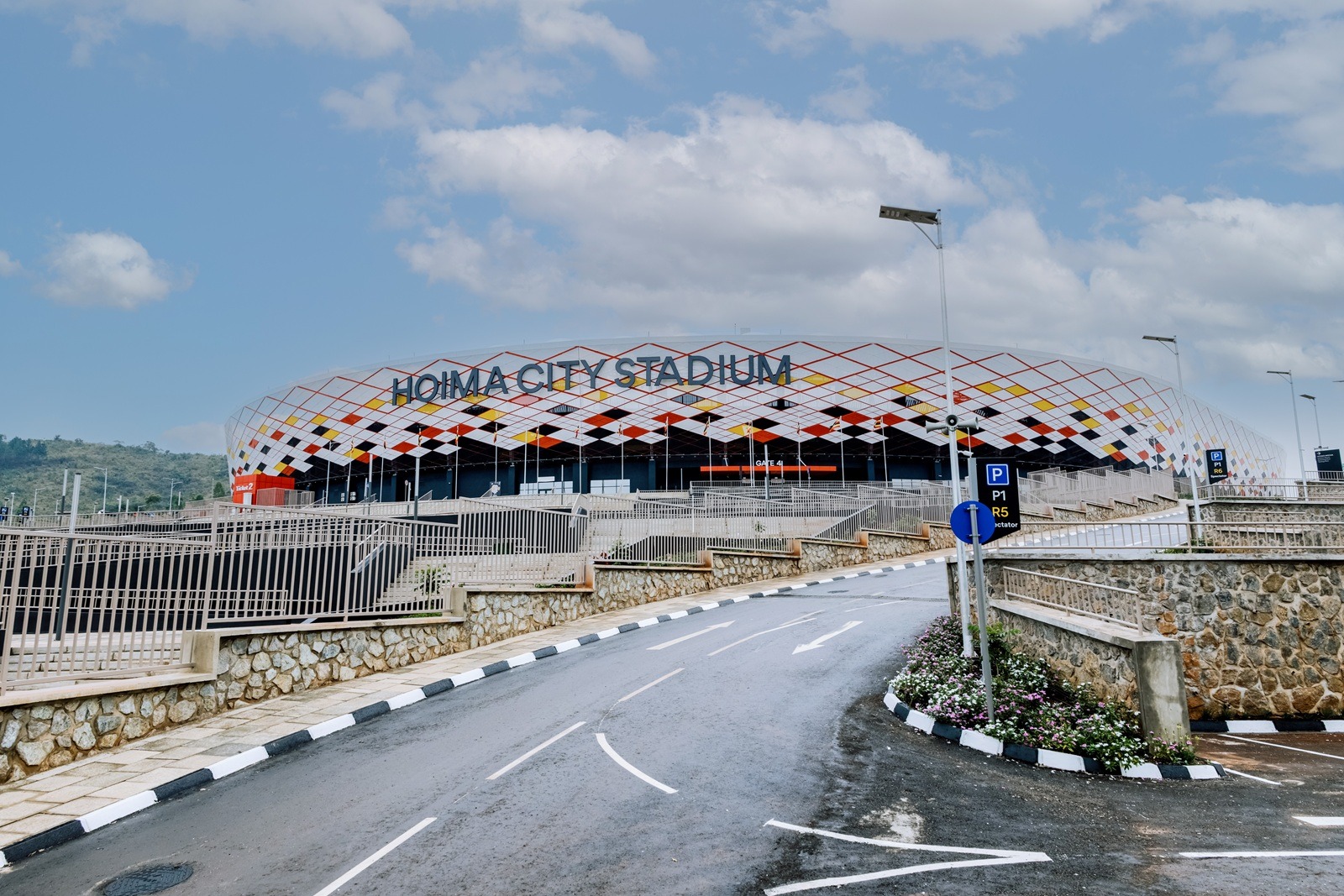
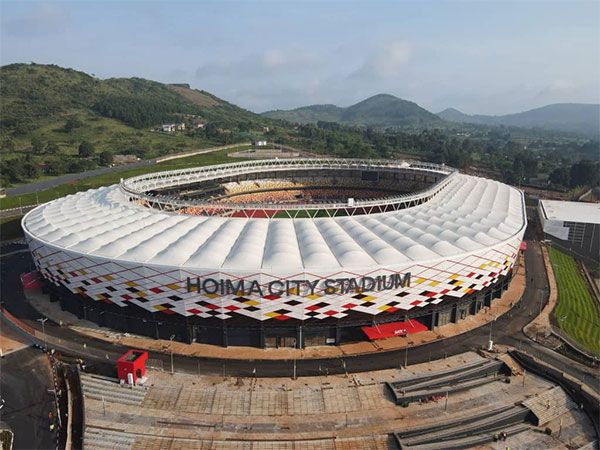
Uganda has already reached a major milestone with the completion of the Hoima City Stadium (pictured below). The 20,000-seater facility, built by the Turkish firm Summa, was finished in December 2025—four months ahead of its original 16-month schedule. The stadium is already operational and designed to host football, rugby, and athletics, serving as a primary pillar of Uganda's commitment to the Pamoja bid.
A Catalyst for Growth
Beyond the pitch, the East African Community is leveraging the tournament to promote the region as a single, vibrant tourism destination. Through initiatives like "Visit East Africa: Feel the Vibe," the region is encouraging the private sector to develop integrated cross-border tourism packages. The tournament is projected to generate over two billion dollars in combined economic impact for the host nations, serving as a powerful platform for international branding and long-term investment. As these nations refine their operational playbooks, the focus remains clear: delivering the best tournament in the history of AFCON while cementing East Africa's position as a premier global hub for sports and tourism.
Source links
Image/source verification URL is available from Sanity.
Image rights
AFCON CHAN Local Organising Committee